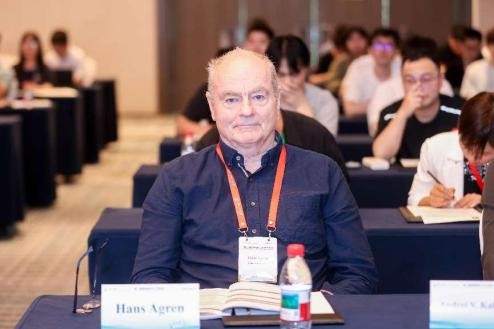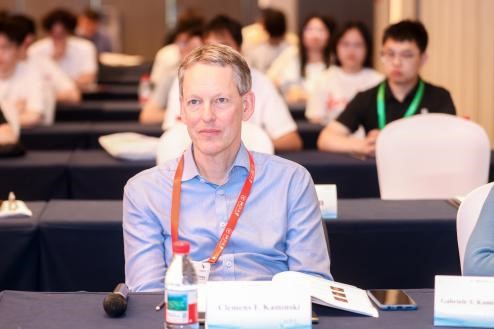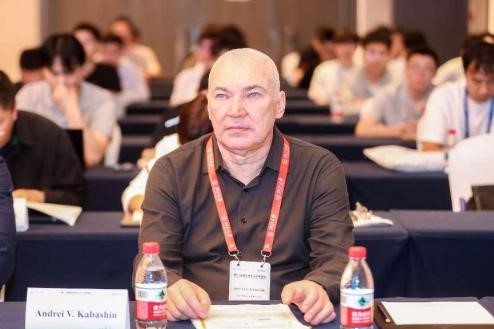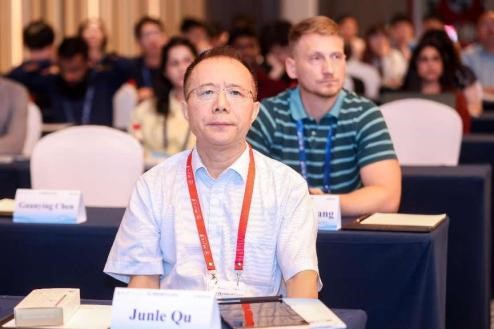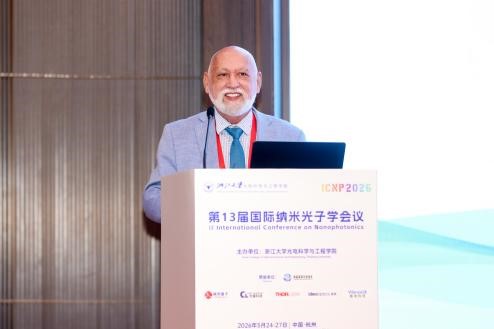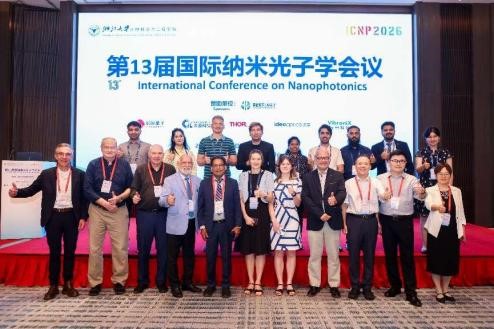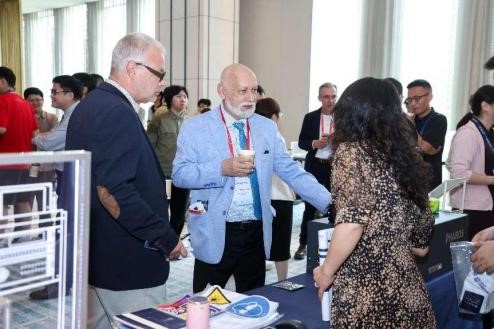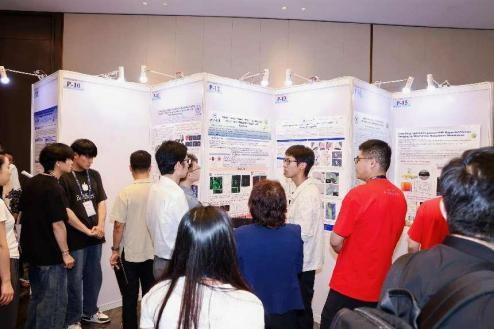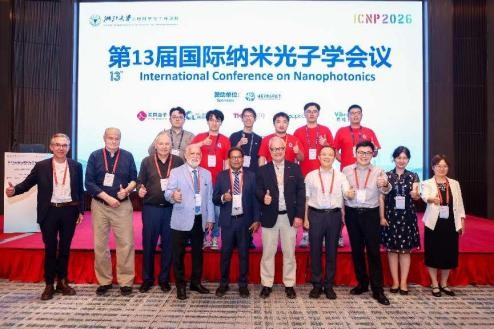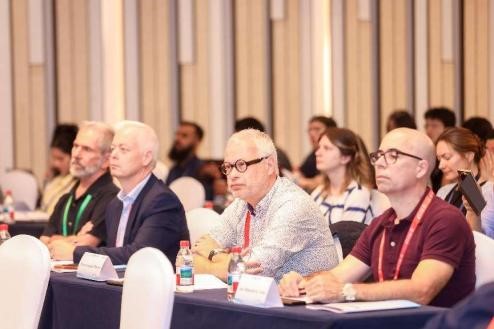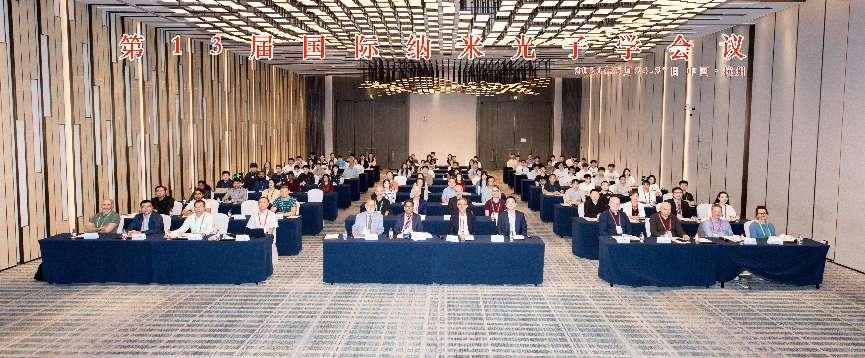
The 13th International Conference on Nanophotonics (ICNP 2026) was grandly convened in Hangzhou, Zhejiang Province, from May 24 to 27, 2026. Organized by the College of Optical Science and Engineering, Zhejiang University, the event brought together hundreds of preeminent experts and scholars from over ten countries and regions worldwide. Participants exchanged views on the latest progress in nanophotonics, presented state-of-the-art research outcomes, and conducted in-depth academic dialogues.
Established in 2007, the International Conference on Nanophotonics has been held for twelve consecutive sessions and evolved into a preeminent academic platform across the discipline. Professor Paras N. Prasad from the University at Buffalo, State University of New York, served as the International Chair, while Professors Qian Jun and Yang Qing from Zhejiang University assumed the roles of Domestic Chairs. The conference featured a comprehensive array of academic activities, including plenary keynote addresses, parallel thematic forums and poster exhibitions. Its research spectrum encompassed more than ten cutting-edge disciplines such as nanoplasmonics, quantum optics, nanobiophotonics, nano-optoelectronics and green nanophotonics, demonstrating extensive coverage and high academic professionalism.


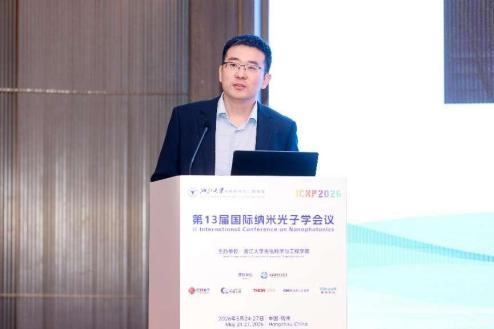
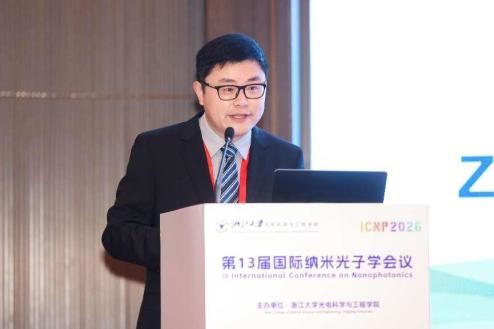
The opening ceremony was presided over by Professor Jun Qian, Domestic Chair of the conference. Professor Yaocheng Shi , Vice Dean of the College of Optical Science and Engineering, delivered an opening remarks. He extended a cordial welcome to all distinguished guests from home and abroad, elaborated on the college’s developmental achievements and future prospects over recent years, and sincerely invited experts and scholars globally to engage in academic exchanges. He expressed the aspiration to forge long-term cooperative partnerships and wished the conference a resounding success.
Upon the conclusion of the opening remarks, the plenary keynote session commenced. Professor Jürgen Popp from Friedrich Schiller University Jena of Germany, Professor Paras N. Prasad from the University at Buffalo, State University of New York, and Professor Daoxin Dai from Zhejiang University delivered presentations in succession. They shared the latest research findings and technological innovations of their respective teams, focusing on nonlinear nanophotonics, neural nanophotonics and silicon-based nanophotonics. Furthermore, a series of thematic and invited lectures were arranged, covering key research areas including biophotonics, nanoplasmonics, nonlinear optics, quantum optics and nanolasers. The venue was permeated with a vigorous academic atmosphere, as scholars at home and abroad engaged in active interactions and intensive discussions.